


Applications in laboratory and industrial routines
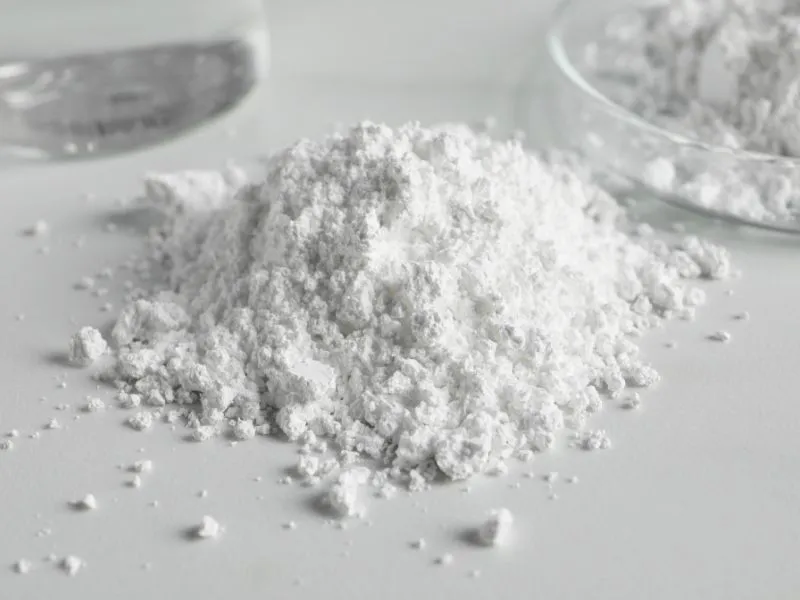
Sodium carbonate can be used as an alkalizing agent, a primary standard in certain analyses, a component of chemical solutions, and an input in neutralization processes. It is common in quality control laboratories, research centers, chemical industries, sanitizers, water treatment, glass, and formulation development.
When used in analytical procedures, reagent performance depends on correct concentration, low impurity levels, and proper storage. That is why purchasing should be tied to the required chemical grade, batch, shelf life, and corresponding technical documents.
How to evaluate product specification
Selecting sodium carbonate must follow criteria compatible with the application. A product intended for technical use may not meet the same requirements as an analytical reagent, especially when precision is needed in titrations, preparation of standardized solutions, or method validation.
Before purchase, it is worth observing:
- Stated purity grade: allows verification that the reagent meets the intended process.
- Certificate and SDS available: support audits, chemical safety, and traceability.
- Suitable packaging: reduces moisture contact and contamination risk.
- Technical support in service: helps define the specification most compatible with the routine.
Handling and storage precautions
As an alkaline substance, sodium carbonate must be handled with PPE, correct identification, and prior consultation of the SDS. Storage should be in a dry, ventilated place, protected from heat sources, with packaging tightly closed. These precautions preserve product integrity and prevent changes that could affect results.
Count on Haloquímica for technical supply
Haloquímica offers sodium carbonate and other laboratory chemicals with proper documentation, specialized service, and support for specific technical demands. Contact us to request the ideal specification for your application.
Contact us